What you can do with the Contact object
The Contact object is useful in many business scenarios:- Manage customer relationships: Store contact information and track interactions so you can follow up on inquiries and deals effectively.
- Manage suppliers and vendors: Keep supplier contacts in one place to manage orders, deliveries, and restocking efficiently. This supports a smooth supply chain.
- Collaborate with partners and stakeholders: Organize external contacts and access critical information when needed.
- Link contacts to inventory transactions: When contacts are tied to specific transactions (such as inventory sales or orders), the Contact object links them to related actions.
- Sales and marketing: Contacts are often used for targeted campaigns, email marketing, and sales follow-ups. In Sanka, you can connect contacts to campaigns and integrate with external CRM tools like HubSpot.
Why the Contact object matters
The Contact object plays a central role in business management:- Centralized information: All contact data lives in one place, reducing complexity and errors from spreadsheets or scattered systems.
- Better communication: With organized contacts, you can communicate quickly and accurately with customers, suppliers, and partners.
- Stronger collaboration: Team members can access contact details and interaction history, improving consistency across the business.
- Tracking and accountability: Each contact is linked to actions in the system, making it easy to track interactions. This is important for customer service, project management, and compliance.
- Integration with other systems: Sanka integrates with platforms like HubSpot, letting you manage contacts in Sanka while syncing key data to external CRMs.
- Analytics and reporting: Combined with Sanka analytics, contacts provide insights into engagement patterns and support data-driven decisions.
- Scalability: As your business grows, the Contact object scales to manage thousands of contacts without losing efficiency.
What you can store in Contact properties
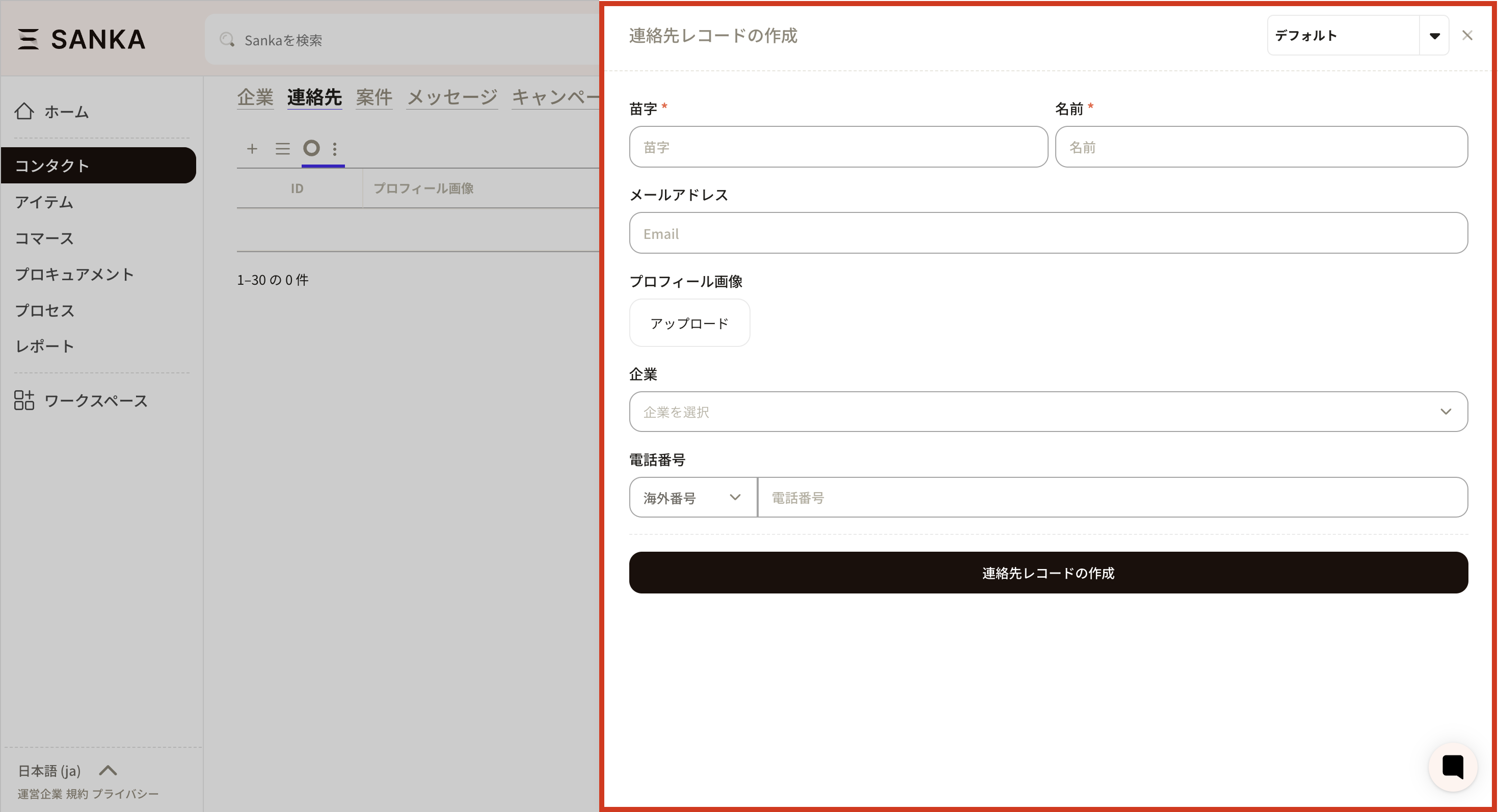
The Contact object functions as a comprehensive address book. Each record can include:- Name (first and last): Personal identification
- Email address: For communication and notifications
- Phone number: Direct contact method
- Company information: The organization the contact belongs to
- Location/address: For shipping or visits
- Profile image: Optional visual identification
- Notes and tags: Related notes and a tagging system for organization
How to create a contact record
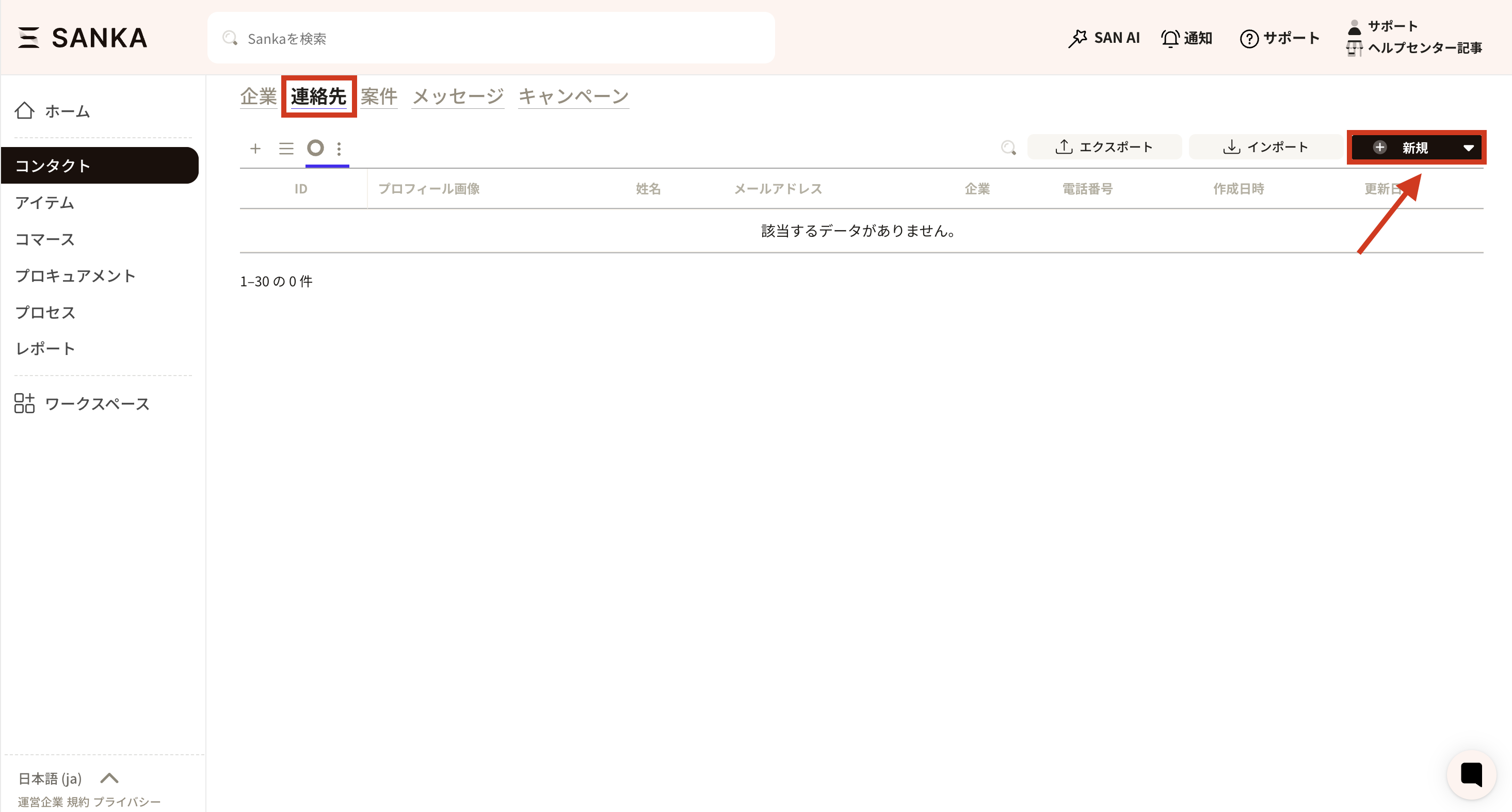
Below is how to create contacts one by one.- Select the Contact object and click New in the top-right corner.
- The Create Contact Record menu appears. Fill in the required fields.
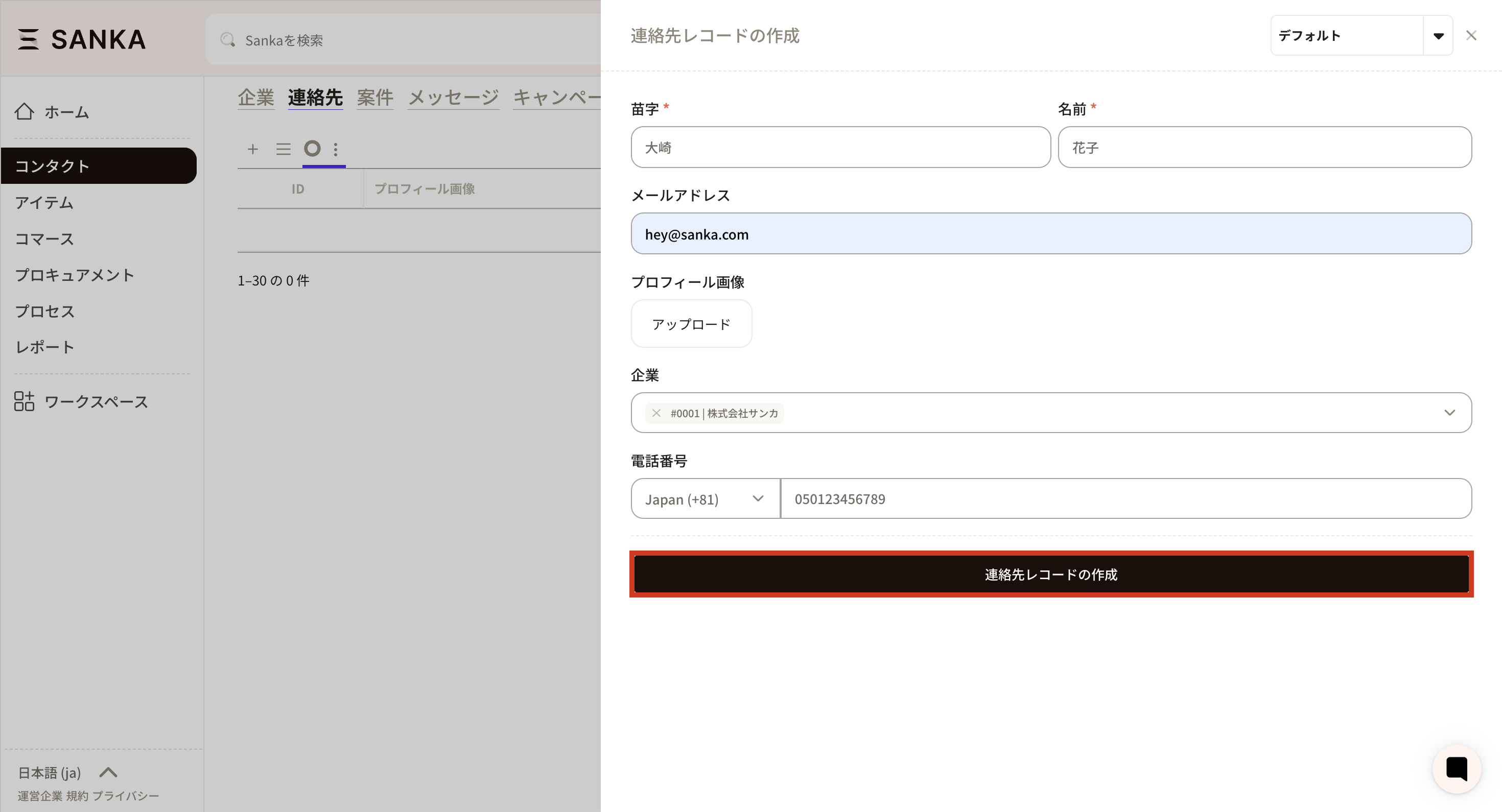
- Click Create Contact.
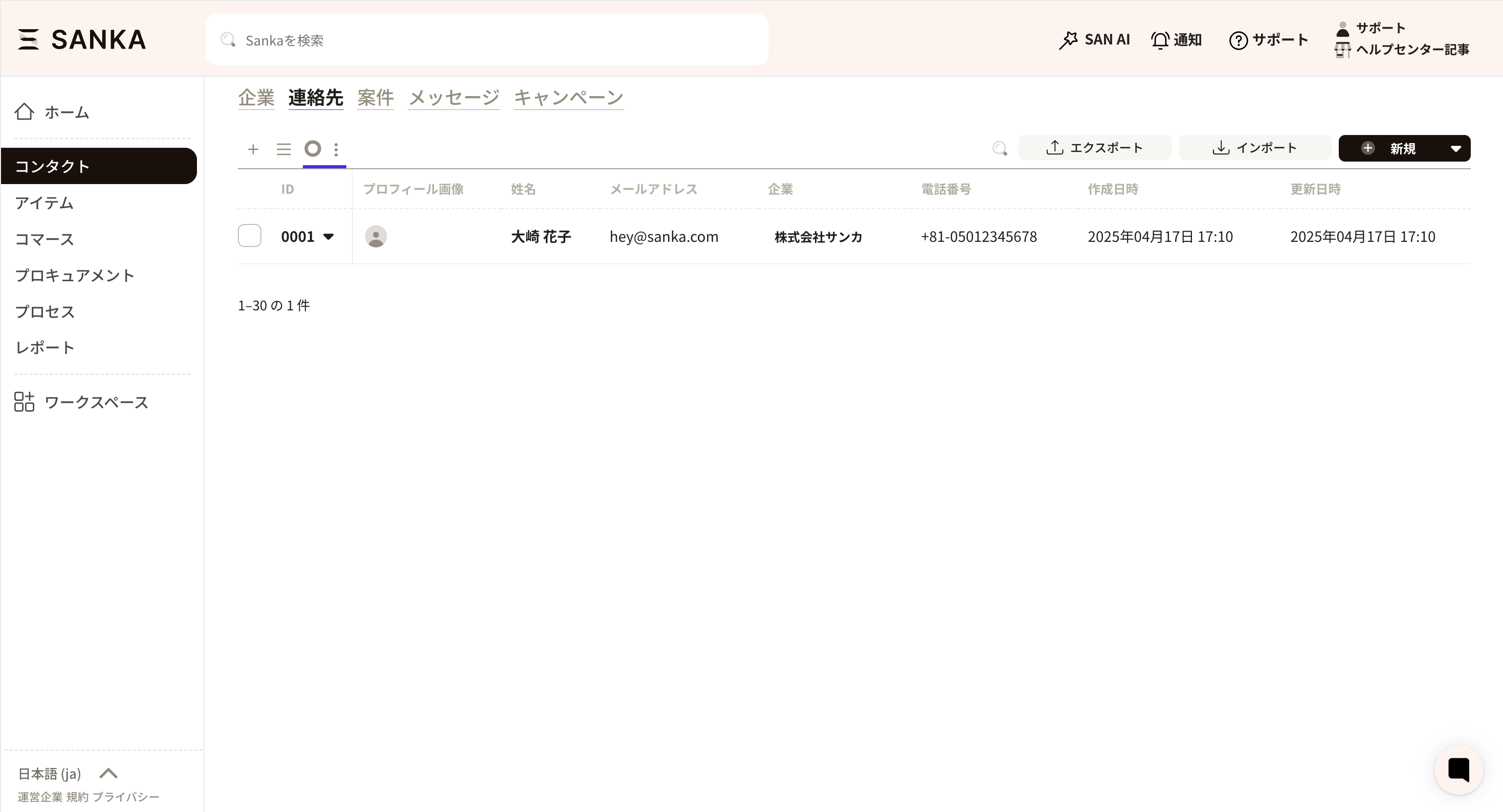
- The contact record appears in the list table. Contact IDs are assigned automatically in the order created.
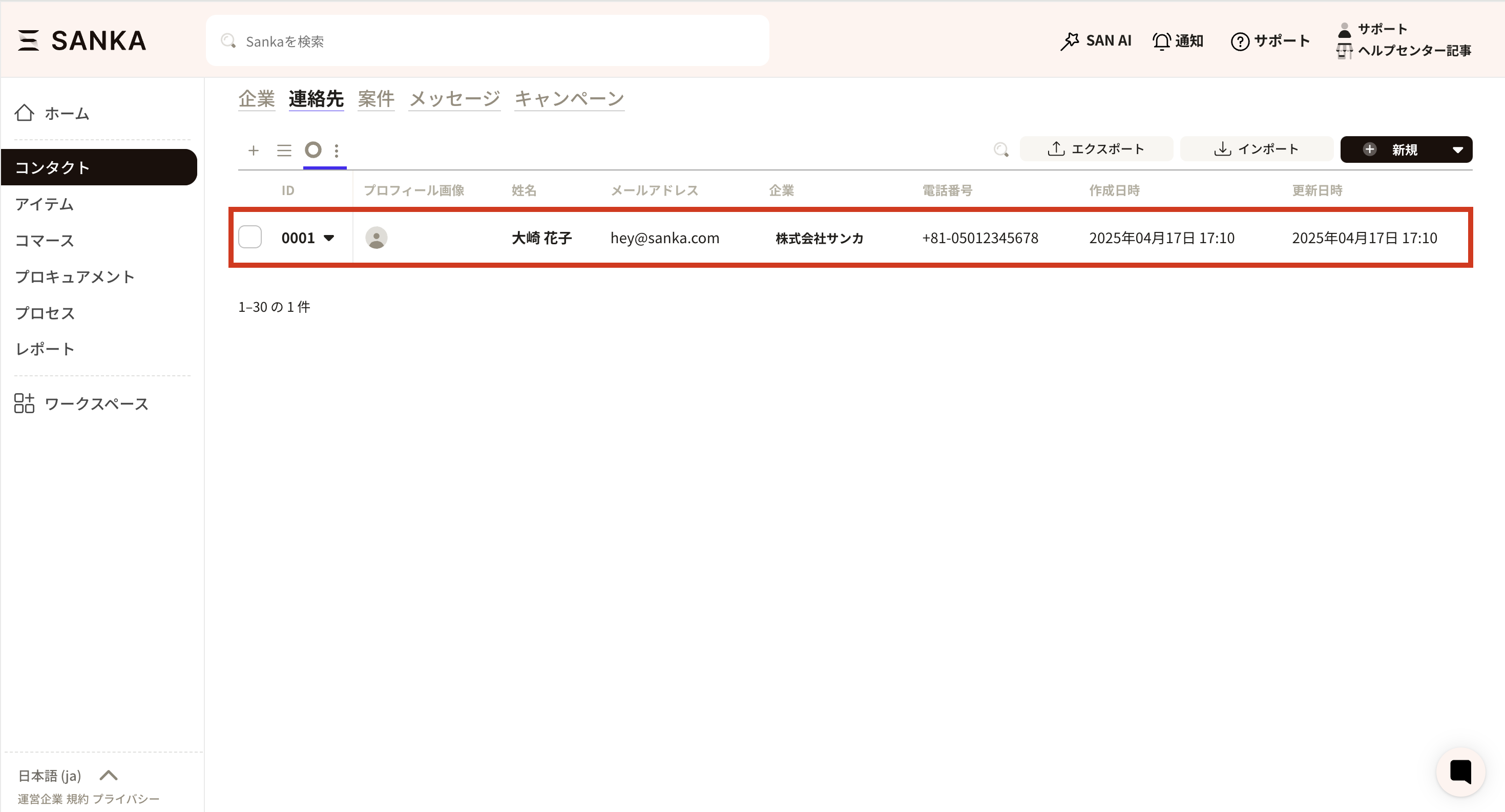
Bulk create or update contacts via CSV
For bulk create or update, see: How to bulk create or update contact records via CSV.How to edit or archive contact records
Edit a contact record
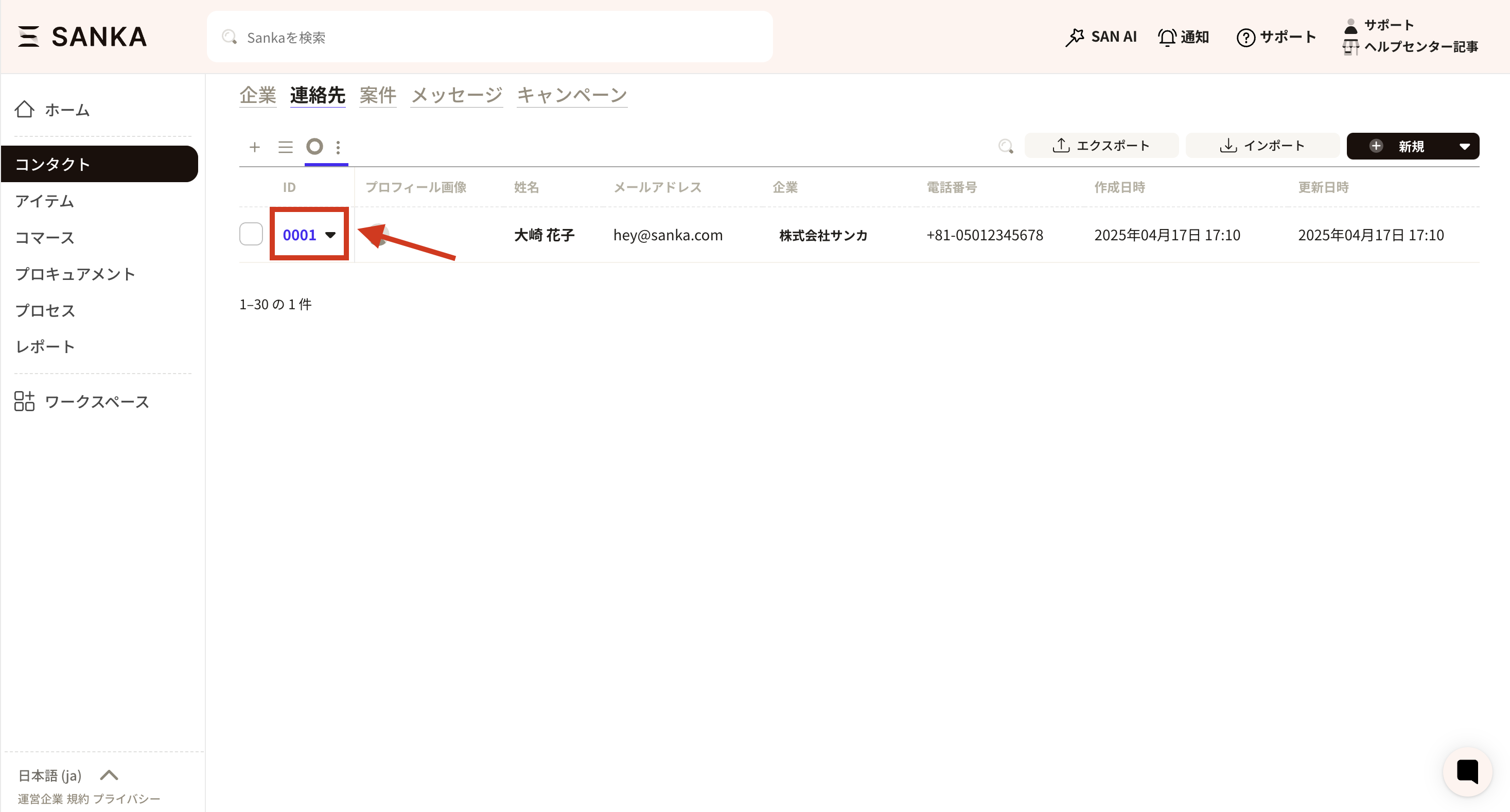
- Click the ID of the record you want to edit.
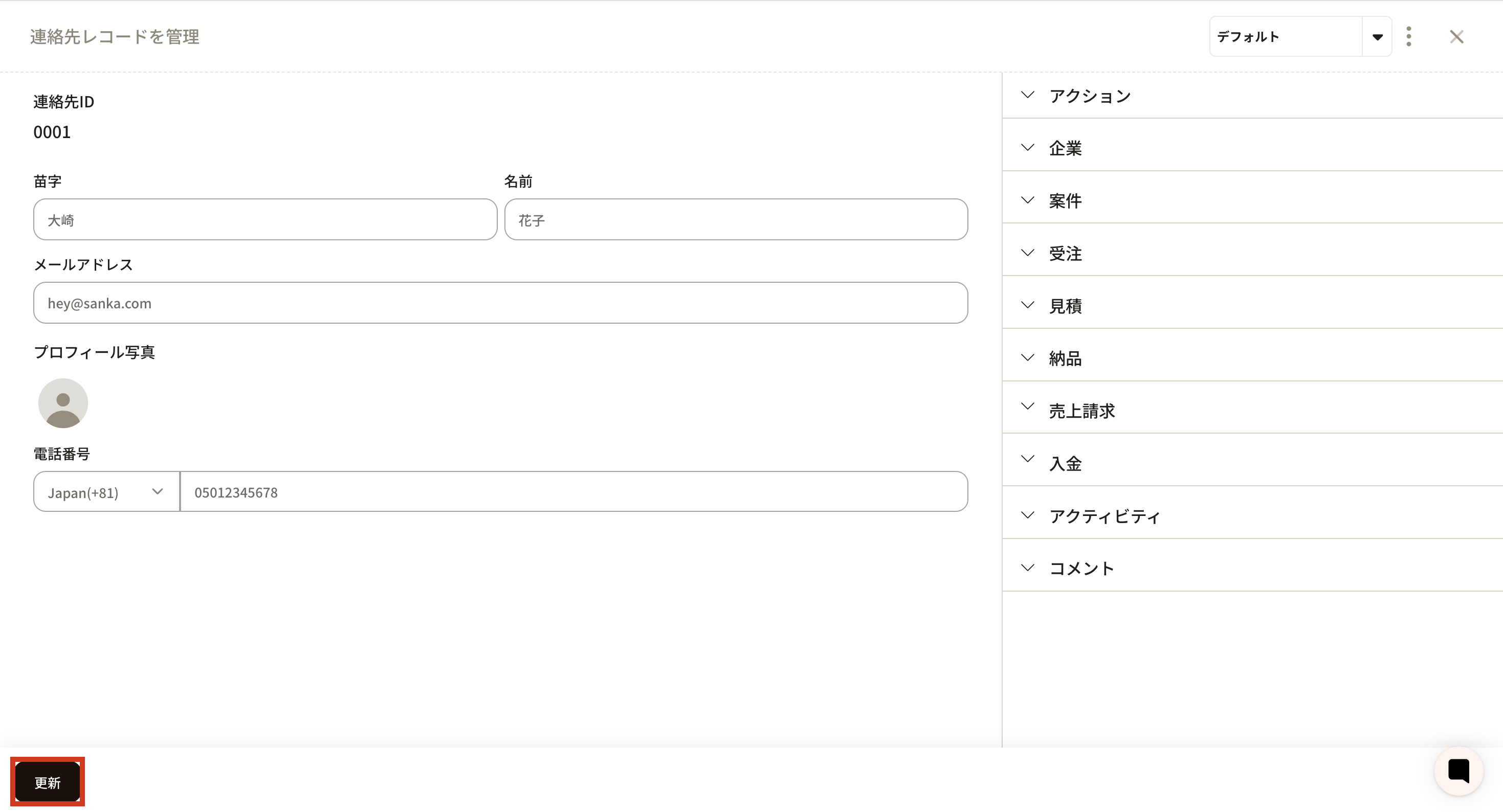
- The Manage Contact Record screen opens. Edit the information and click Update.
Archive a contact record
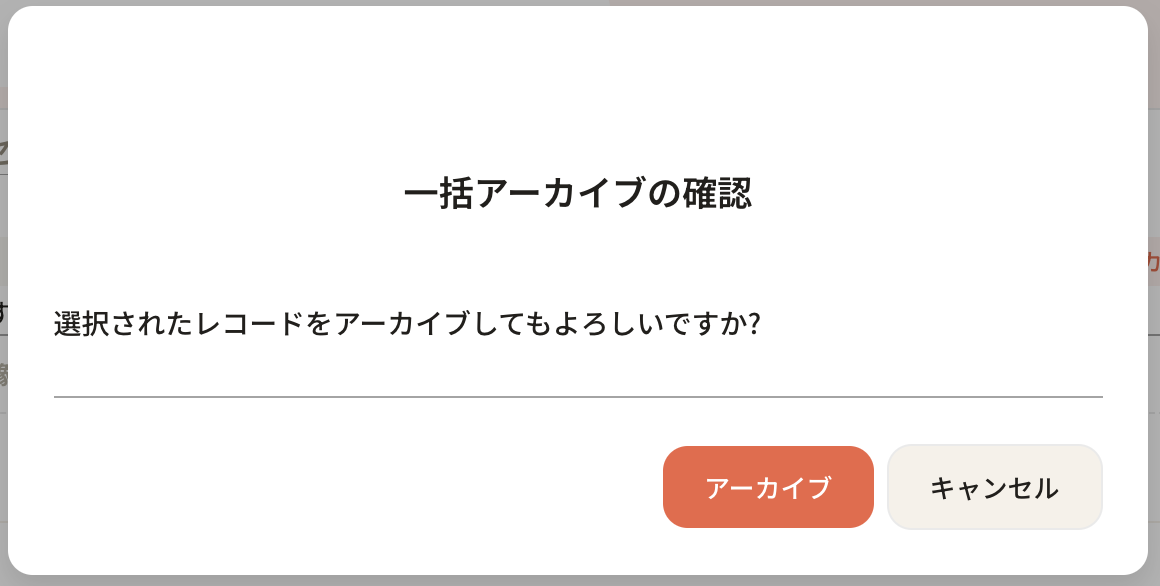
Archiving hides a contact record from the table without deleting it. This is recommended when you want to remove records from active views.- In the record list, select the checkbox for the contact you want to archive and choose Archive.
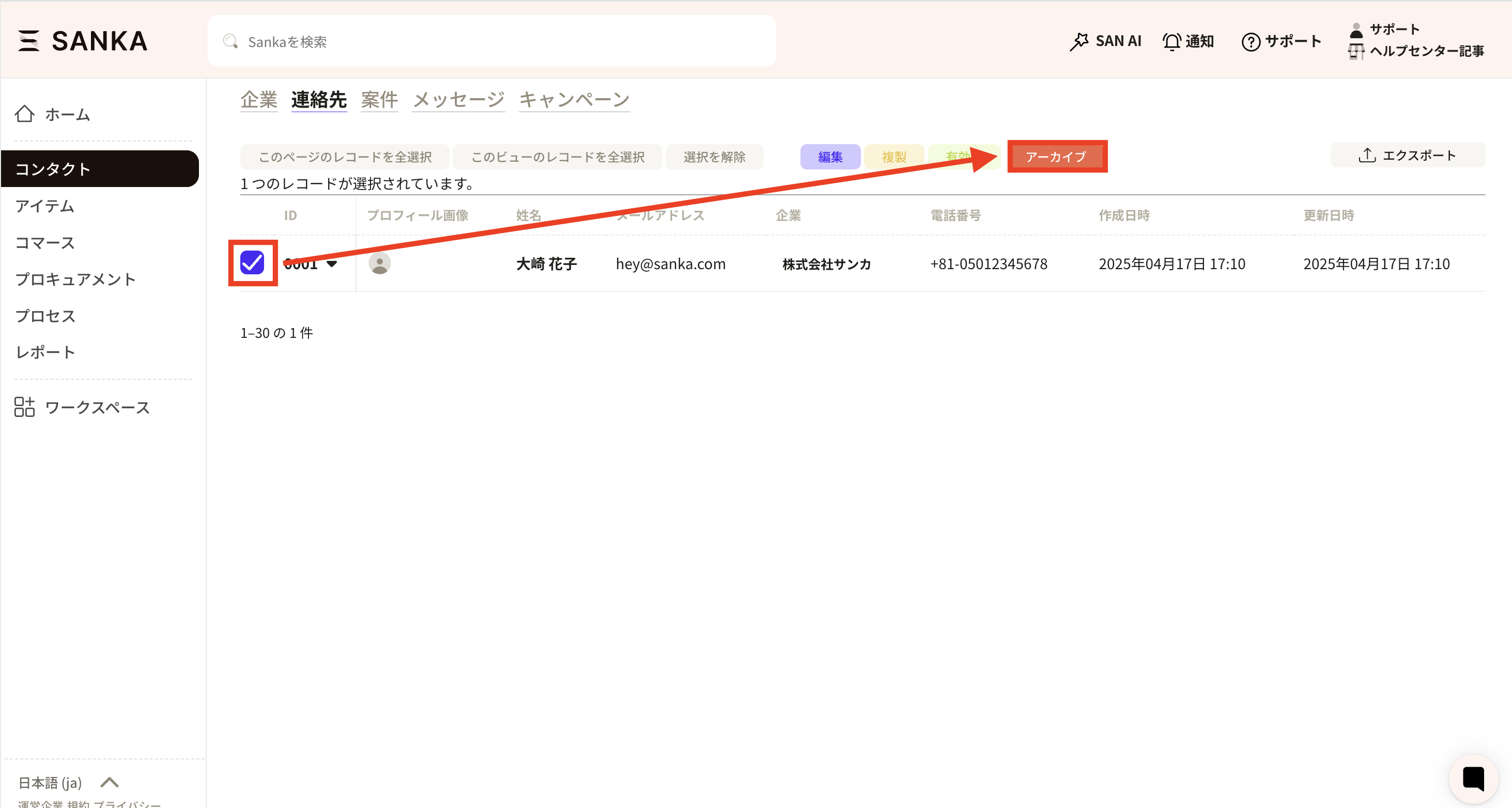
- A confirmation popup appears. Click Archive.
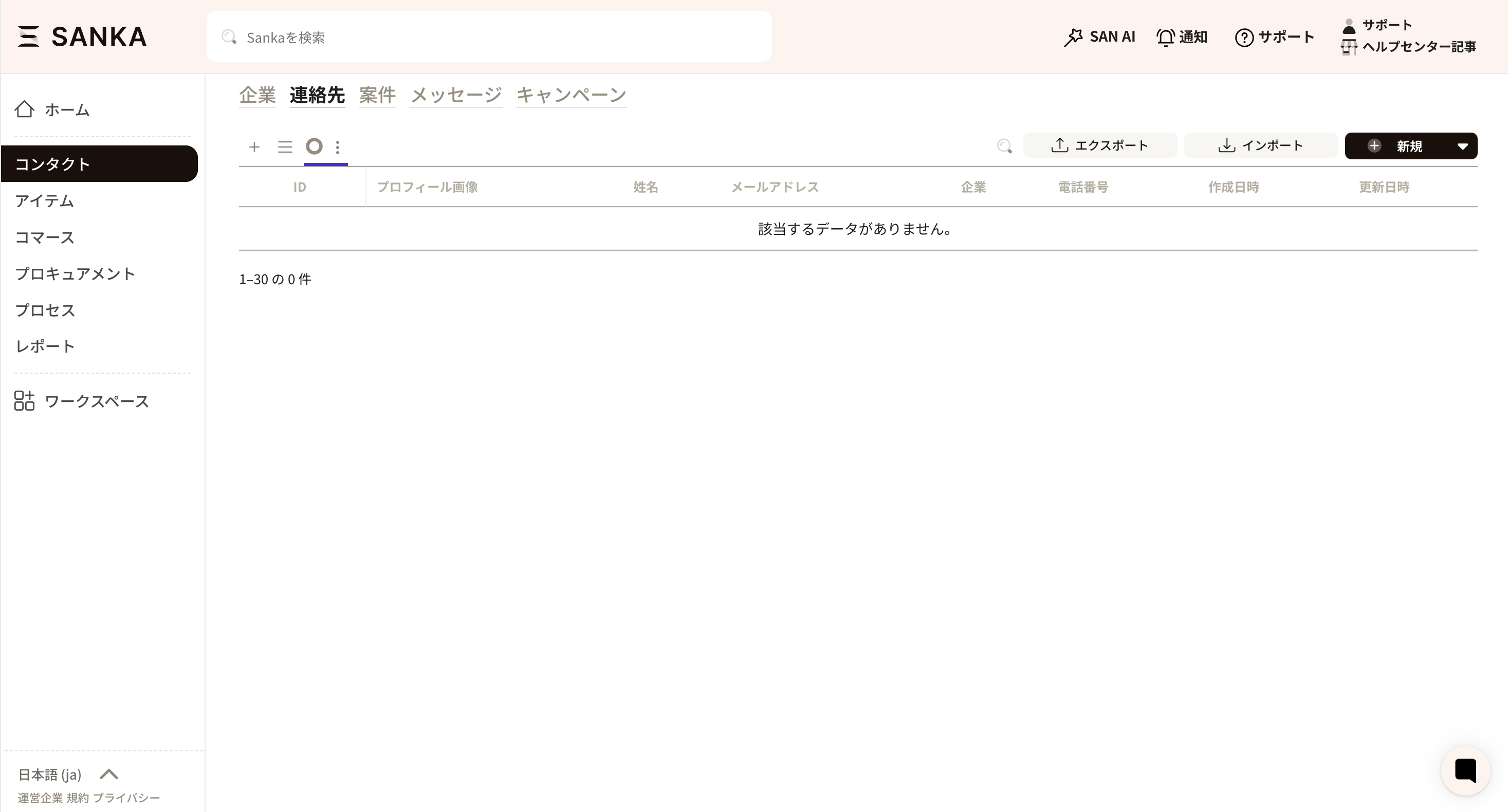
- The archived contact disappears from the record list.
Restore an archived contact
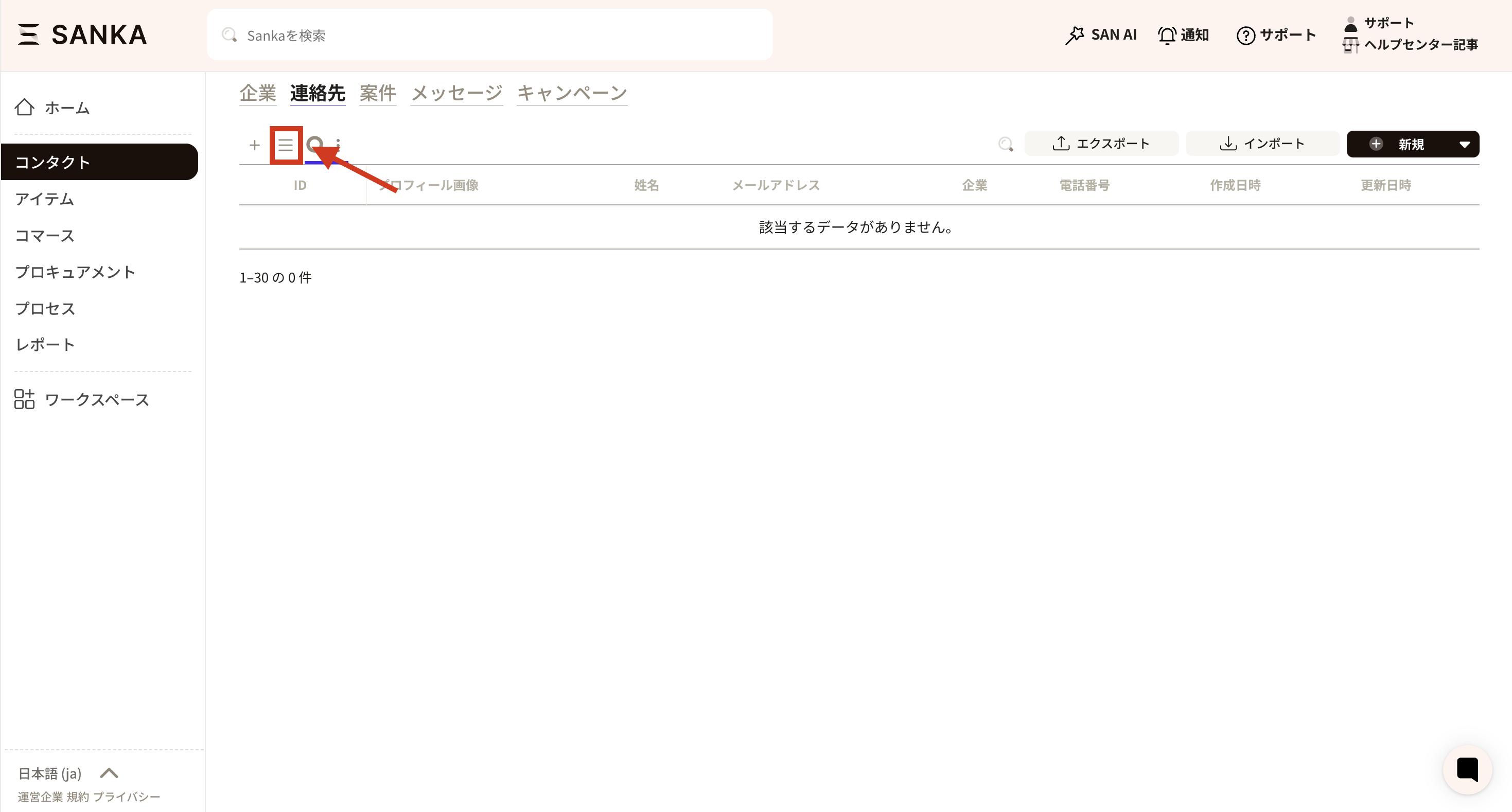
- On the record list page, click the three-line menu icon.
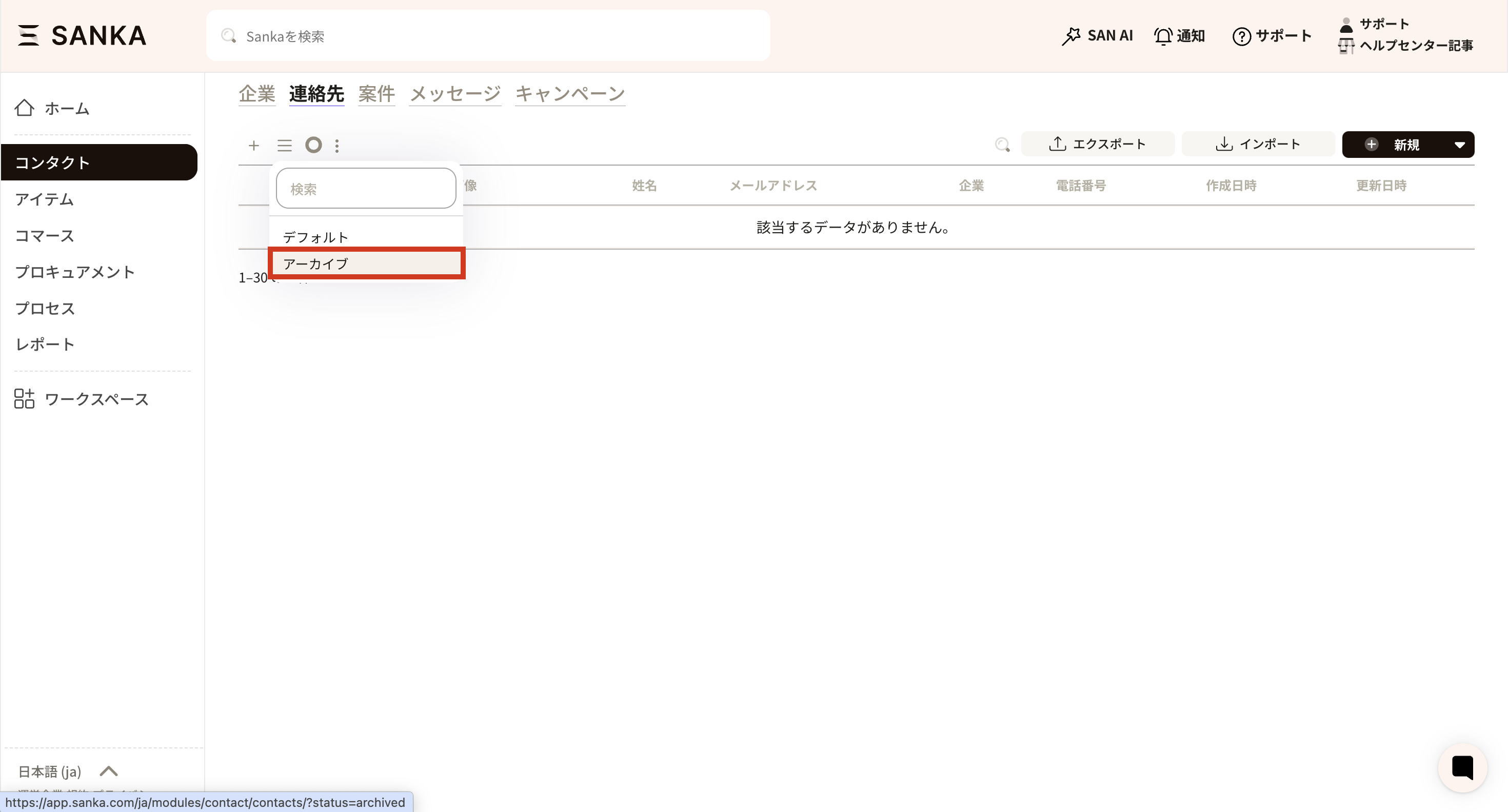
- Select Archived to view archived records.
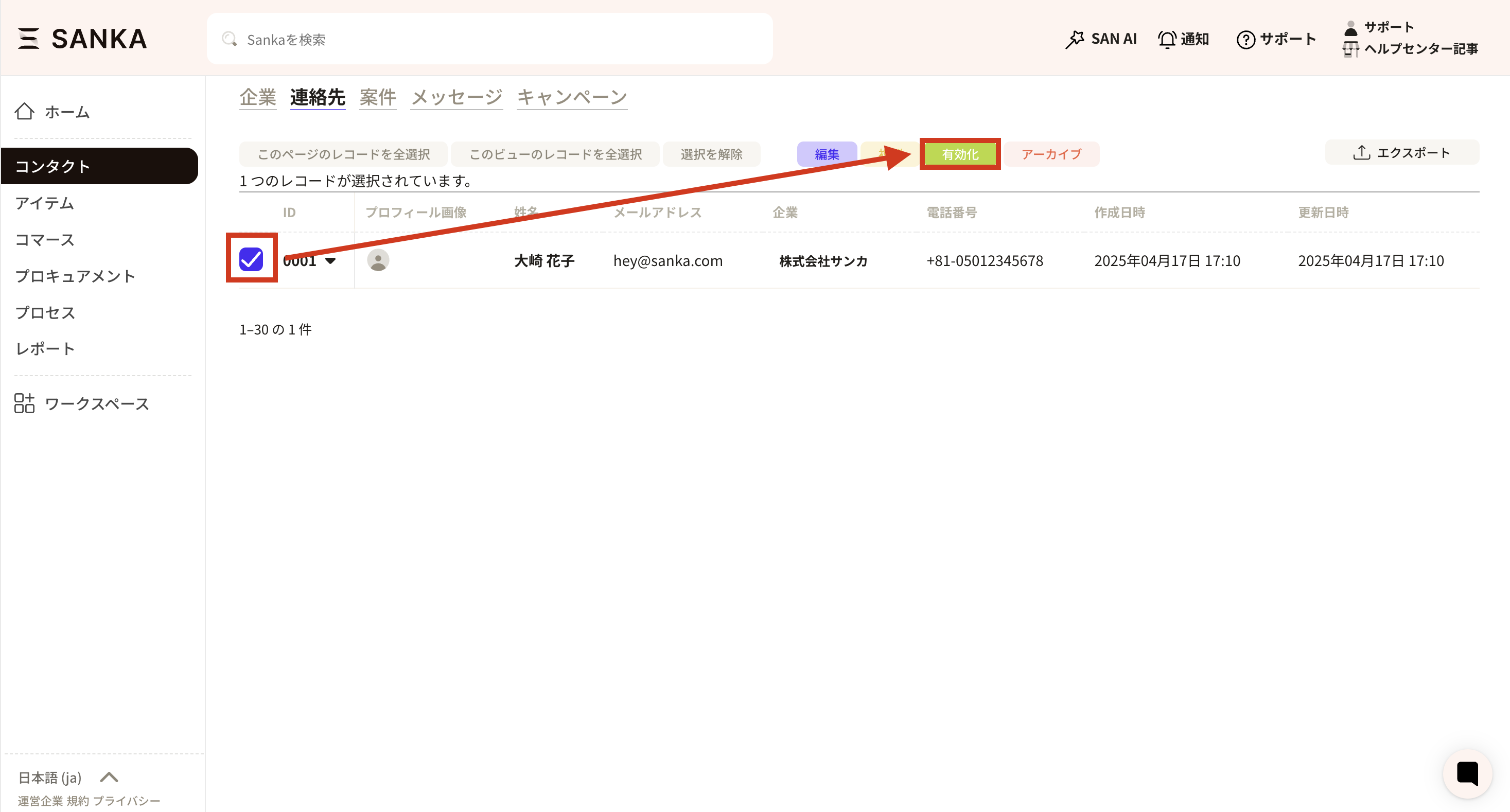
- Select the checkbox for the record you want to restore and click Activate.
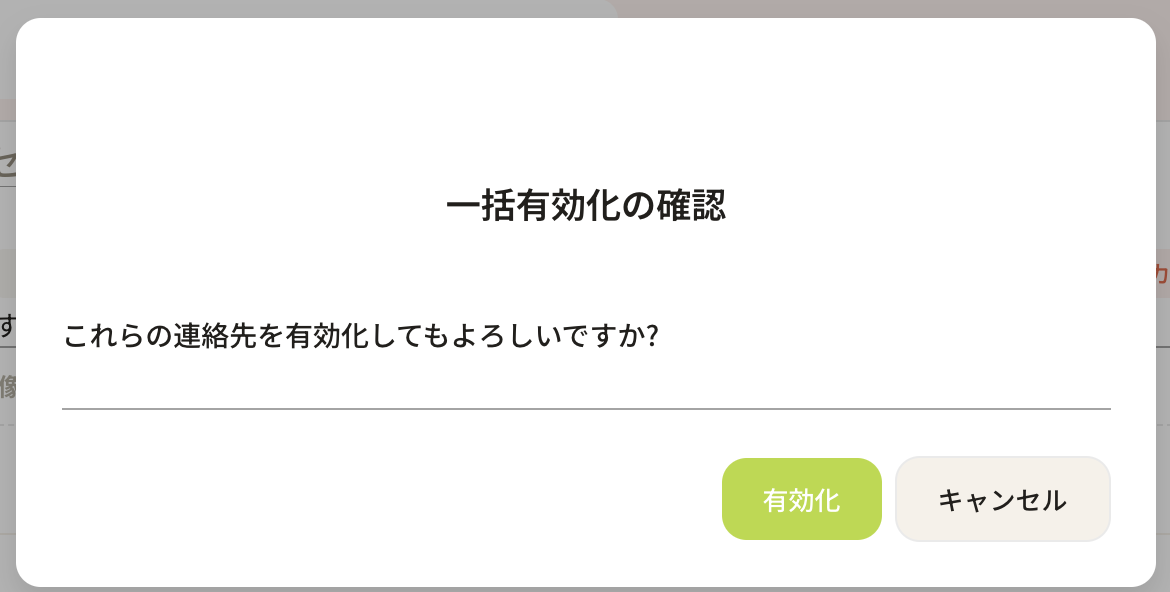
- A confirmation popup appears. Click Activate.
- The record appears again in the list.